Science & Origin Of Siderite
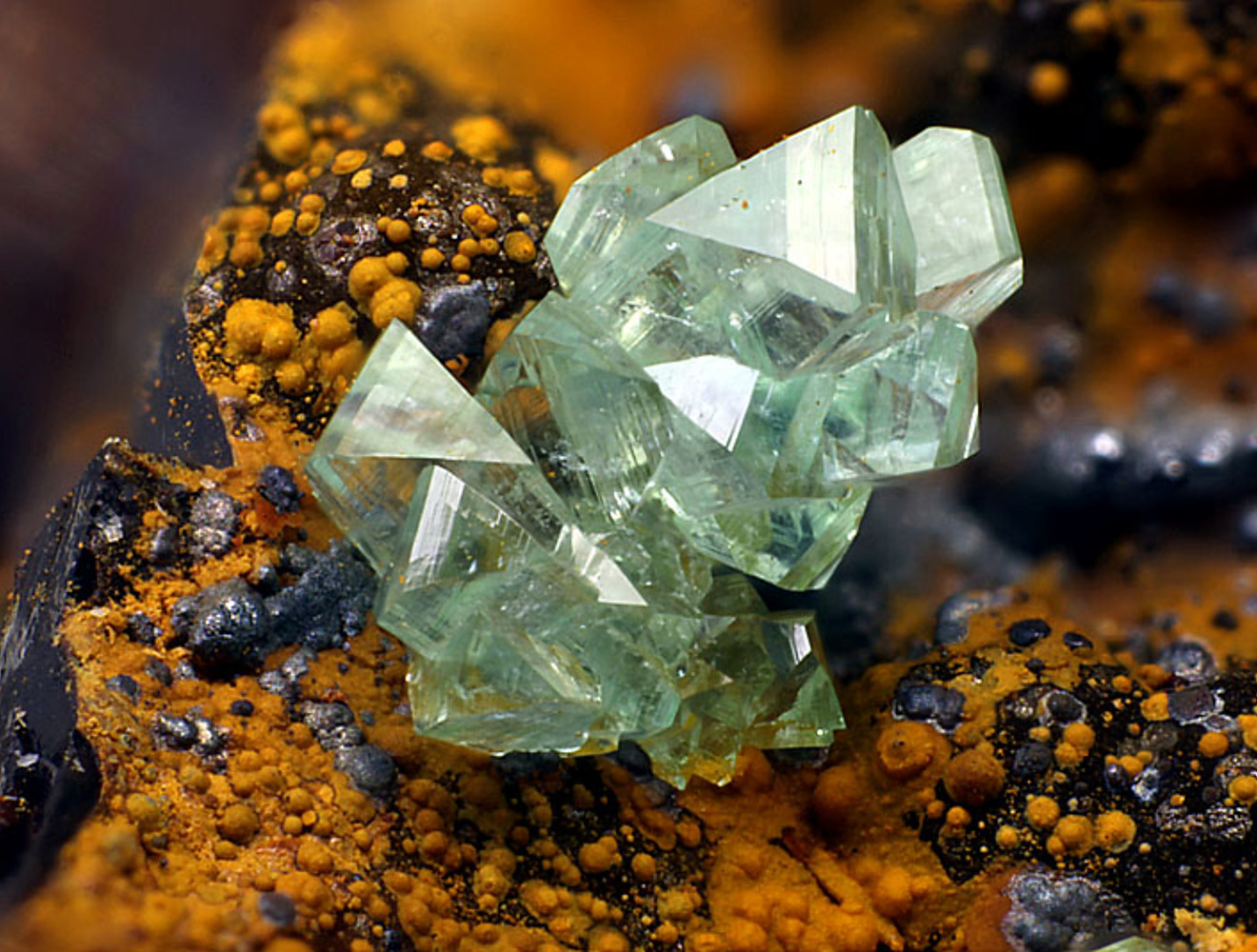
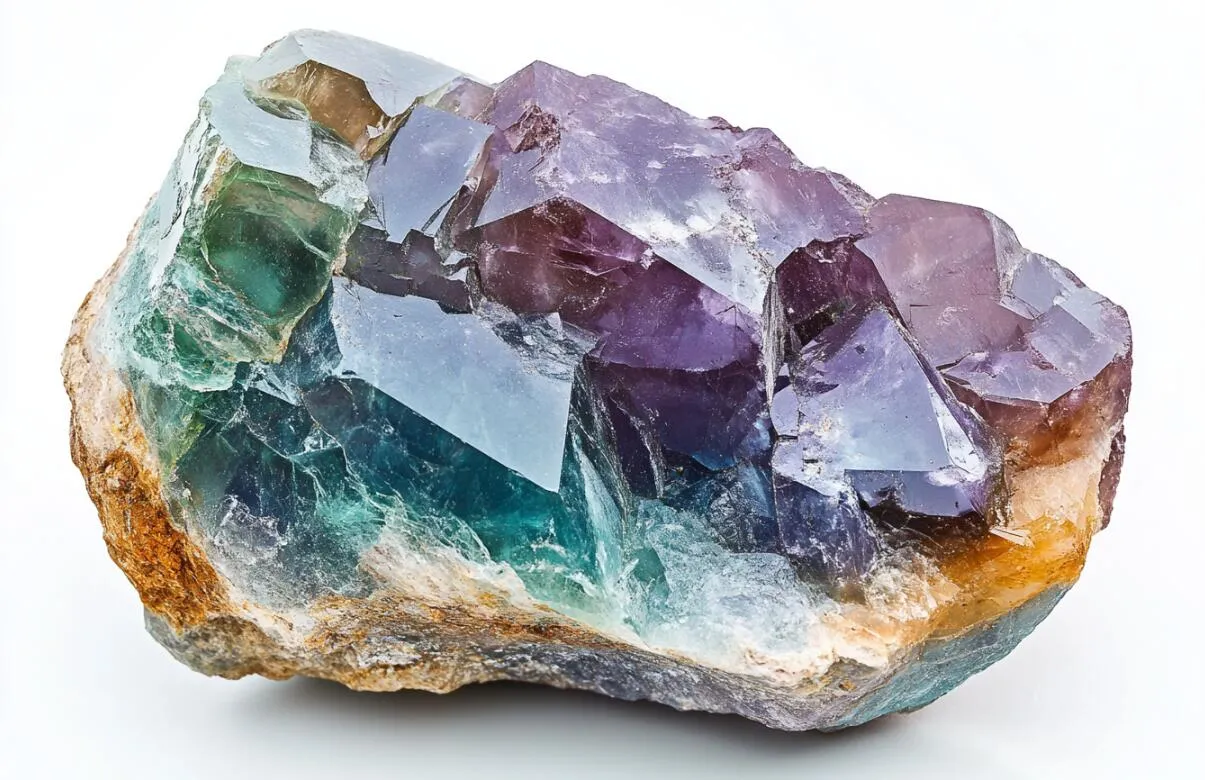
Siderite Crystal, also known as Chalybite. It is an iron carbonate mineral. It crystallizes in tabular crystals, rhombohedrons clusters, curved cleavage surfaces, botryoidal, and massive formations. The color can range from tan, yellow, and brown, to grey, green, red, black, and sometimes even colorless.
Its name occurred in 1845 by Wilhelm Karl von Haidinger. It comes from the Greek word “sideros”, meaning “iron”, due to its composition. Siderite can be found formed alongside other crystals such as Pyrite, Chalcopyrite, Barite, Galena, Calcite, Quartz, Pectolite, Cryolite, and Ferberite.
Some of the most common localities of Siderite come from the countries of Canada, Bolivia, Portugal, Germany, Brazil, South Africa, France, Romania, Greenland, Russia, the UK, and the U.S.A.
Siderite With Other Minerals
The iron content within Siderite can sometimes be naturally substituted and replaced with other elements. These are zinc, magnesium, and manganese.
This can cause a crystal combination to form such as Siderite-Smithsonite, Siderite-Magnesite, and Siderite-Rhodochrosite.
Meaning & Energy
Siderite is highly valued for its powerful grounding properties. These promote emotional alignment and physical resilience. By bolstering the root chakra, Siderite enhances one’s connection to the earth. This provides stability in times of uncertainty and stress.
It also supports practical thinking and can aid in problem-solving. This makes it beneficial for those who face challenging situations requiring a calm, measured approach.
Siderite’s nurturing energy encourages a comforting sense of security. This helps to fortify one’s inner strength and endurance.


 22Jul
22Jul
 by
by